


Date: Saturday, 26 September 2026 | Time: 1120 - 1250 | Venue: The NAK Auditorium, Academia (SGH Campus)
Track Type: Symposium
Speaker(s):

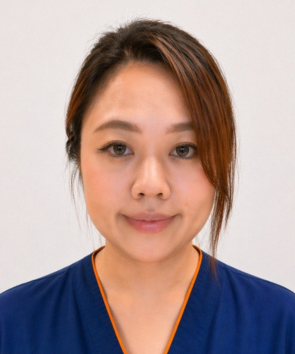

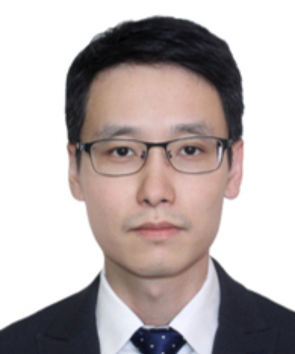
Overview:
Advances in thoracic surgery, including minimally invasive procedures, digital chest drainage technologies, and enhanced recovery protocols, require healthcare professionals to continually update their competencies. However, training multidisciplinary teams to safely adopt evolving technologies and evidence-based care pathways remains a major educational challenge in high-acuity surgical environments.
This symposium explores how structured healthcare education can support multidisciplinary teams in adopting innovations in thoracic surgical care. Using real-world examples from cardiothoracic practice at the National Heart Centre Singapore, speakers will share educational strategies designed to improve competency, standardise clinical practice, and strengthen patient safety.
The session will begin with a keynote presentation outlining the evolving landscape of thoracic surgical care and the importance of multidisciplinary education in supporting innovation and quality improvement. Three subsequent speakers representing surgery, physiotherapy, and nursing will share their perspectives on training healthcare professionals in their respective domains. Topics will include surgical innovations and guideline updates, rehabilitation education for postoperative recovery, and competency-based training for safe chest drain management and postoperative monitoring.
The symposium emphasises educational approaches such as competency-based learning, simulation-based training, and interprofessional education to support the implementation of evolving clinical technologies and care models. A moderated panel discussion will conclude the session, providing an opportunity to explore practical strategies for designing sustainable education programmes that strengthen multidisciplinary collaboration and improve patient outcomes in thoracic surgical care.
Learning Outcome(s):
By the end of the symposium, participants will be able to:
• Describe educational challenges associated with training healthcare professionals in evolving thoracic surgical technologies and care models
• Discuss strategies for implementing multidisciplinary and interprofessional education in surgical care settings
• Identify approaches such as competency-based learning and simulation training to strengthen clinical skill development
• Apply lessons from multidisciplinary training initiatives to improve education programmes within their own clinical contexts
Target Audience:
This symposium is intended for healthcare educators, clinicians, and allied health professionals involved in training healthcare teams in acute care settings. Target participants include surgeons, nurses, physiotherapists, allied health professionals, clinical educators, and healthcare leaders interested in education development, competency-based training, and multidisciplinary learning in clinical practice. No specific prerequisite knowledge is required, although participants with an interest in healthcare education, simulation training, or multidisciplinary clinical practice will benefit most from the session.
Stay Healthy The Easy Way

Get trusted health advice, offers and more.
Stay Ahead in Healthcare Industry

Subscribe to our exclusive updates for healthcare professionals.













Follow Academic Medicines


© 2026 Singapore Health Services Pte Ltd. All Rights Reserved.