


Date: Saturday, 26 September 2026 | Time: 1120 - 1250 | Venue: L1-S1, Academia (SGH Campus)
Track Type: Symposium
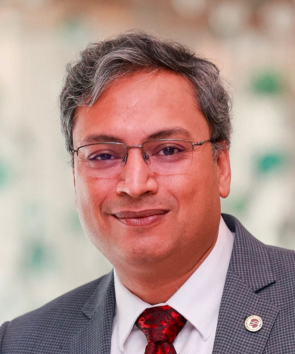
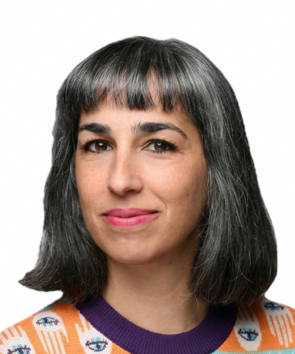
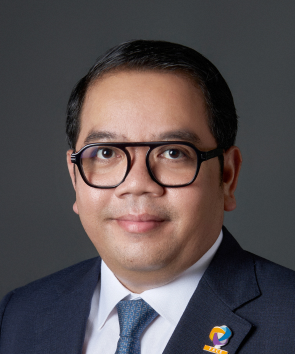
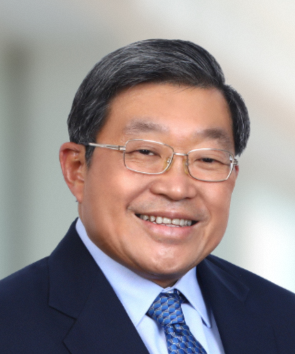
Speaker(s):

Overview:
Traditional conferences and one-off CME activities remain important for networking and inspiration, but they often fail to create sustained learning or measurable change in clinical practice. Clinicians return to high workloads, fragmented systems, and limited follow-up—resulting in “event-based learning” that is episodic rather than continuous. As healthcare challenges become more complex and multidisciplinary (e.g., obesity, diabetes, and cardiometabolic care), education models must evolve to better reflect how clinicians actually learn, apply, and retain knowledge.
This symposium explores a practical, technology-enabled approach to “conference-to-continuity” learning—how professional societies, universities, and health systems can extend education beyond the event into structured, ongoing engagement. The panel will share real-world experiences from Southeast Asia on building accredited CPD pathways that combine microlearning, case-based webinars, community discussions, peer champions, and simple analytics loops to improve relevance and participation over time. Rather than focussing on platforms, the session will focus on design principles: what drives clinician engagement (not just attendance), how to create learning that fits clinical workflows, and how to sustain momentum through small, coordinated interventions across the year.
The discussion will also highlight how cross-border networks and alliances can help convene expertise, harmonise standards, and support local adaptation—bridging global evidence with local realities. Participants will leave with a clear understanding of how to move from “content delivery” to “learning systems” that are scalable, measurable, and genuinely useful for clinicians.
Learning Outcome(s):
By attending the symposium, the participants will be able to
1. Recognise the limitations of traditional event-based medical education models and describe why many conferences and stand-alone CME activities fail to produce sustained knowledge retention or meaningful change in clinical practice. Participants will examine structural barriers such as time constraints, fragmented follow-up learning, and limited reinforcement after conferences.
2. Explain the concept of “conference-to-continuity” learning ecosystems and how technology-enabled approaches can support continuous professional development (CPD) beyond one-off educational events. This includes understanding the role of microlearning, modular digital content, case-based webinars, and ongoing professional communities in sustaining clinician engagement.
3. Apply practical strategies for designing clinician-centered learning pathways that align with real clinical workflows. Participants will learn how to structure learning programmes using short-form content, periodic reinforcement sessions, peer-to-peer discussions, and expert-led case reviews to maintain momentum across months rather than isolated events.
4. Identify key design principles that improve healthcare professional engagement, including relevance to clinical decision-making, multidisciplinary integration, practical case discussions, and community-driven learning models.
5. Evaluate simple and feasible metrics to assess educational impact beyond attendance, including participation patterns, completion rates, engagement indicators, feedback loops, and self-reported confidence or practice changes.
6. Develop an initial roadmap for implementing a technology-enhanced CPD programme within their own institution, department, or professional society, including potential collaborations with regional networks and digital learning platforms.
Through these, participants will gain practical insights into how education systems can evolve from isolated events toward sustainable learning ecosystems that support clinicians
Target Audience:
Designed for healthcare educators, academic faculty, clinical leaders, and programme managers who are involved in designing, delivering, or evaluating healthcare professional education and continuing professional development.
Relevant participants may include medical school faculty, hospital education leads, CME/CPD coordinators, residency programme directors, clinical department heads, allied health educators, and leaders of professional medical societies or any HCPs who are responsible for developing training initiatives or professional learning activities.
This will be valuable for clinicians who actively contribute to education programmes and are interested in innovative approaches to teaching, mentoring, and knowledge dissemination within their institutions.
Participants are not required to have advanced technical expertise in digital education tools. However, a basic understanding of CME, or professional training programmes will be helpful to fully engage with the discussions.
Stay Healthy The Easy Way

Get trusted health advice, offers and more.
Stay Ahead in Healthcare Industry

Subscribe to our exclusive updates for healthcare professionals.














Follow Academic Medicines


© 2026 Singapore Health Services Pte Ltd. All Rights Reserved.