


Date: Saturday, 26 September 2026 | Time: 1435 - 1605 | Venue: L1-S3, Academia (SGH Campus)
Track Type: Workshop
Main Facilitator:


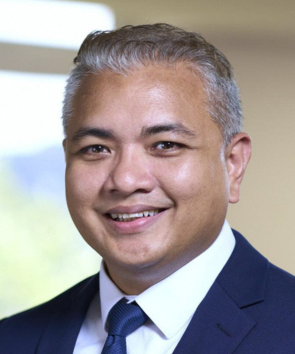
Overview:
This interactive, 90-minute workshop presents coaching as an evidence-based strategy for promoting wellbeing in settings related to professional and educational learning. The workshop examines how coaching conversations can take place with identified coachable moments, based on positive psychology and learning science, to improve self-regulation, motivation, resilience, and adaptive learning behaviours. Participants will look at how learning circumstances like cognitive load, metacognitive awareness, and feedback affect wellbeing and how supervisors and educators may purposefully support these conditions through questioning, reframing, and skilful listening. In order to assist participants grasp not just what works but also why, the session includes experiential exercises.
Learning Outcome(s):
By the end of the workshop, participants will be able to:
- Identify some principles from the science of learning and positive psychology, and explore how these can inform coaching conversations
- Apply coaching techniques, such as questioning or strengths-based reflection, in short practice activities and reflect on their relevance to participants’ own contexts.
Target Audience:
This workshop is designed for healthcare and higher education educators, trainers, and supervisors with experience in teaching, supervising, or supporting learners. No prior coaching training is required. Participants will explore evidence-based coaching strategies linked to learning science and positive psychology, and reflect on how to apply these practices to support learner wellbeing, motivation, and resilience in their own contexts. The workshop is relevant across disciplines, including higher education, workplace learning, and leadership development.
Stay Healthy The Easy Way

Get trusted health advice, offers and more.
Stay Ahead in Healthcare Industry

Subscribe to our exclusive updates for healthcare professionals.













Follow Academic Medicines


© 2026 Singapore Health Services Pte Ltd. All Rights Reserved.