


Date: Saturday, 26 September 2026 | Time: 0920 - 1050 | Venue: Whitespace, Academia (SGH Campus)
Track Type: Workshop
Main Facilitator:
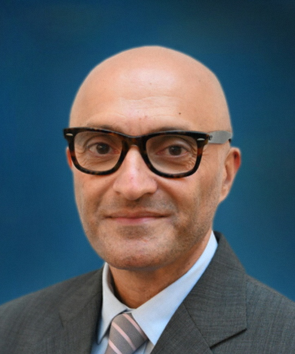
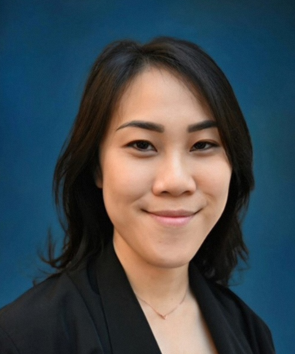
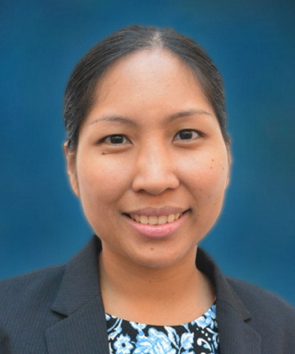
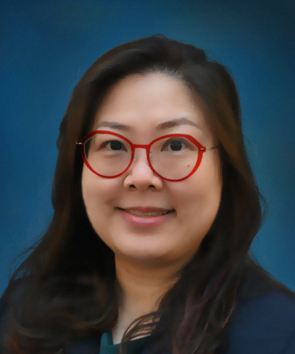
Overview:
Music has been recognized for its significant role in enhancing interpersonal skills, stress management and empathy, and integrating music into medical and health professions education offers the potential to enhance humanistic practices (Sampy 2025).
Drawing on concepts from music therapy practice, Narrative Medicine, and the Medical Humanities, this 90-minute, highly interactive workshop offers a structured approach to the use of pop music in facilitating reflective practice for mixed-discipline groups (medicine, nursing, allied health, pharmacy and trainees).
Facilitators will first provide a short introduction to the workshop including the importance of ensuring psychological safety during the experiential component. The experiential component will focus on the domain of perspective taking as described in the PRISM model for integrating arts and humanities in medical education (Moniz et al.,2021). Thereafter, participants will first engage in active listening of a pre-selected popular song, initially without lyrics, and another time with a lyric sheet for reference. After the first listen, participants will be asked about their general thoughts about the song including mood and feelings elicited. After the second listen, participants will be asked more in-depth questions including the song’s key features and the singer’s intentions. Facilitators will then explore more about the theme of perspective taking in their daily work practice, based on participant responses. Participants will then engage in a creative exercise (written word/ artwork) and share with others their reflections from the experience.
Facilitators will then discuss more about application of the experience into future iterations that the educators may want to consider in their respective workplaces. Participants will engage in a group exercise that involves outlining a simple music-based intervention that they can implement in the future.
Learning Outcome(s):
By the end of the workshop, participants will be able to:
- Experience how music can develop an individual’s perspective taking and personal insight in a different way from traditional clinical teaching methodologies
- Outline the role of music as a teaching tool for various aspects of professional development
- Use provided materials to develop an individualized teaching plan using music as a teaching tool in the participants’ own educational contexts.
Target Audience:
- Healthcare educators (including medical, nursing, allied health, pharmacy, administration) at all levels, including undergraduate, postgraduate, and continuing professional development.
- No previous music knowledge or background is necessary.
- Participants should have a personal device (e.g. mobile phone, tablet or laptop) that can access an online music archive (e.g. Spotify or YouTube) and personal headphones.
Stay Healthy The Easy Way

Get trusted health advice, offers and more.
Stay Ahead in Healthcare Industry

Subscribe to our exclusive updates for healthcare professionals.











Follow Academic Medicines


© 2026 Singapore Health Services Pte Ltd. All Rights Reserved.